Logo clair JCA

Learn about Japanese cuisine

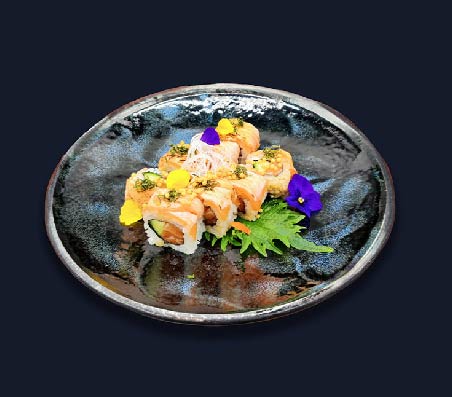
Photo couverture catalogue Sushi

Who are our training courses for?

Restaurateurs

Différenciez votre établissement avec des spécialités culinaires japonaises et gagnez en technicité et en savoir-faire traditionnel.

Professionals in career change

Réussissez votre transition professionnelle et excellez dans votre nouvelle carrière culinaire en tant que salarié ou entrepreneur.

Restaurant chains

Formez efficacement vos équipes à confectionner des mets japonais de qualité tout en répondant aux objectifs de production.

Choose your training

Que ce soit pour une reconversion ou l’acquisition d’une nouvelle spécialité, nos programmes sont conçus pour refléter fidèlement les réalités du métier, tout en préservant l’intégrité de la culture culinaire japonaise.

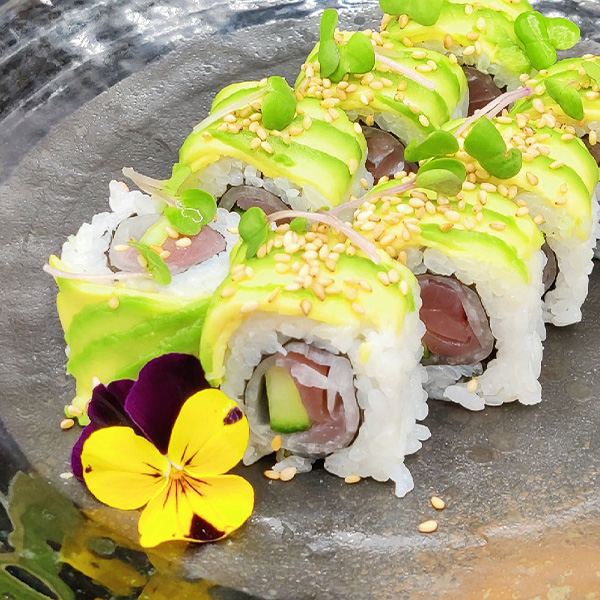
Photo Zoom Formation Devenir Sushiman

Becoming a Sushi Chef

This training teaches you traditional and operational techniques to be able to make quality Sushi and to work as a Sushiman. 

Duration: 5 days
Télécharger le programme
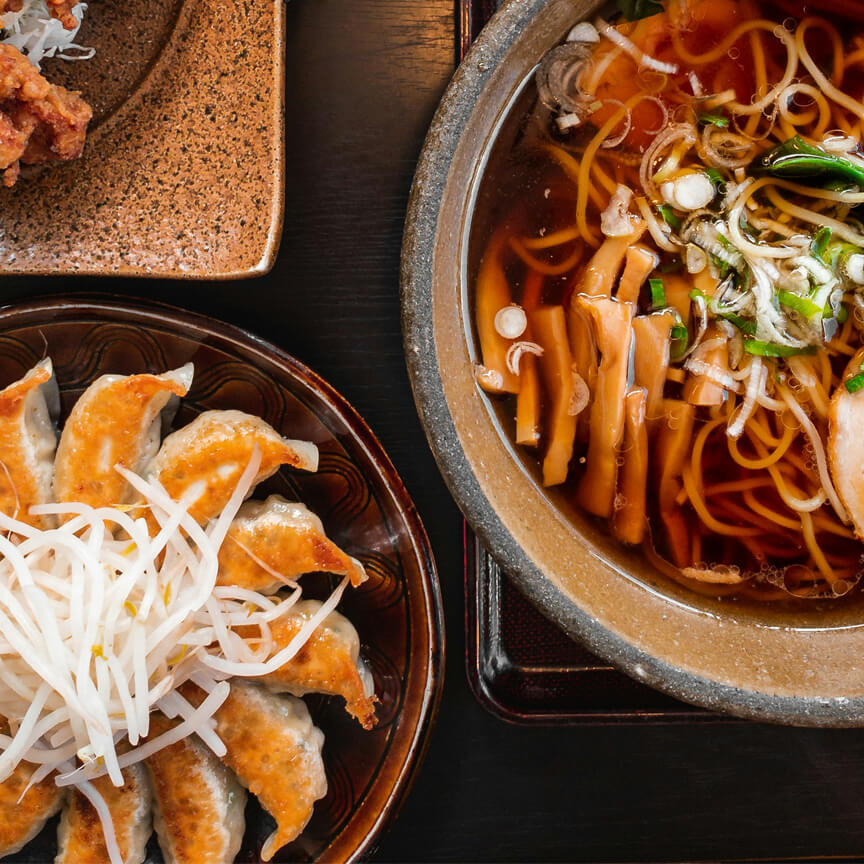
Photo Ramen et Gyoza

Proposez des Gyoza et des Ramen à vos clients

Choix des matières premières, élaboration maison des Ramen et des Gyoza, optimisation de la confection, durant cette formation vous apprendrez toutes les bases nécessaires à la réalisation de ces spécialités japonaises.

Duration: 5 days

Télécharger le programme

Inscrivez-vous pour la prochaine session !

Il ne reste que 4 places !

They trained with us

SuzelleChanging career
«I found it very good because we also spoke about the origin of Sushi and not just the cooking. We spoke about the jargon, where Sushi was born, etc. It was very interesting! The trainer was very competent, patient, and pleasant. Very friendly!»
MagaliDirector at Les Viviers de la Baie
«I had training in April 2024, it was brilliant, in a small group, no hesitation in asking our questions. Our trainer and the rest of the team are top-notch, now all I have to do is put what I've learned into practice.»

It counts for us

100%

Taux de réussite

8

Apprenants

100%

Satisfaction clients

Comment financer ma formation ?

Training actions of the Japanese Cuisine Academy sont certifiées par Qualiopi.
This can allow you to obtain funding.

Financing options depend on your status at the time of your enrolment in training.

Logo Pôle Emploi

Pôle emploi

Vous êtes demandeur d’emploi avec un projet de formation ? Pôle Emploi peut vous aider en vous accordant une Aide Individuelle à la Formation (AIF) couvrant une partie ou la totalité de la formation.

Logo AKTO

Akto

Les Opérateurs de Compétences, les OPCO accompagnent les entreprises pour la formation professionnelle de leurs salariés. À ce titre, ils peuvent prendre en charge à 100% une formation en lien avec les besoins de la branche.

Contactez nous pour l’établissement des devis et éléments de preuves nécessaires
à l’établissement de votre dossier

  • Recognising the origins of philosophy and ideologies related to Sushi ;
  • Recognising and preparing food: rice, main seasonings and condiments, different types of fish, different types of vegetables; ;
  • To prepare different types of sushi; of sashimi; ;
  • Identify and use confectionery making utensils and Japanese kitchen knives; ; 
  • Organising your workspace, recognising the principles of training.

Day 1

Presentation of the programme and the week's schedule

Materials: Presentation, selection, use and maintenance
Pressure cooker, Hangiri, Rice paddle, Chopsticks…..

Japanese Knives: Introduction, selection, use and maintenance

Choosing and preparing rice: Theory and demonstration
Theory: varieties, origins, selection, storage, preparation, usage, storage
Demonstration: Washing, rinsing, cooking, mixing, clearing away

Salmon: Theory, demonstration and practice
Choice of species, origins, preparation, cutting, use, storage, sustainability

Sushi Making Techniques: Nigiri Sushi

Day 2

Theory and History of Sushi
– History and origins & philosophy of Japanese cuisine
– Similarities and differences between traditional sushi and the specificities of the French market

Rice preparation: Self-preparation

Avocado and cucumber: choosing, storing, preparing, cutting

Work plan organisation
– Setting up the workstation, organisation during service, tidying up

Royal Dorade and Sea Bass: Theory, Demonstration and Practice
Choice of species, origins, preparation, cutting, use, storage, sustainability

Sushi Making Techniques Nigiri Sushi and Hosomaki

Day 3

Tuna and Bar: Theory, demonstration and practice
Choice of species, origins, preparation, cutting, use, storage, sustainability

Daikon: Choosing, storing, preparing, cutting

Rice preparation: preparing it yourself

Sashimi: cutting, ingredients, plating

Sushi Making Techniques: Uramaki

Day 4

Rice preparation: preparing it yourself

Selection, storage, preparation, cutting and use of basic seasonings and condiments
Presentation of rice vinegar and sushi seasoning, Nori, Wasabi (Horseradish and real Wasabi)...

Mackerel, horse mackerel, sardines, turbot, brill: Theory, demonstration, and practice
Choice of species, origins, preparation, cutting, use, storage, sustainability

Sushi Making Techniques Futomaki, Temaki

Sushi Making Techniques: Signature Uramaki

DIY Sushi Making Techniques: Uramaki, Nigiri, Hosomaki

Plate dressing and takeaway sales principles

Day 5

Theoretical and practical evaluation

Rice preparation: preparing it yourself

Gambas: Theory, demonstration and practice
Choice of species, origins, preparation, cutting, use, storage, sustainability

Sushi Making Techniques (Demonstration and Practice): Chirashi, Oshizushi, Temarisushi

Prerequisites:
None, this training is accessible to beginners (not suitable for people who already have experience in sushi making).

Targets :
Individuals wishing to launch their own business (food truck, restaurant, dark kitchen, etc.) or acquire new techniques in sushi making.

Staffing
6 people maximum

The theoretical courses are based on an illustrated presentation. A copy of the presentation is given to each participant.

Practical classes take place in the teaching kitchen.

Final practical and theoretical examination.

Certificate of completion.